Show the decision boundary
Inputs, prompts, approvals, human handoff, error handling, and adoption path matter more than saying AI is present.
How Shariwaa proves AI, automation, ERP, pharma engineering, care systems, agriculture intelligence, and business interface work when the strongest evidence must stay private.
Masked evidence · NDA aware walkthroughs · Founder read diagnosis before scope.
The question is not whether the work sounds impressive. The question is whether it can survive diligence.
Large buyers have seen enough polished claims. They believe proof with shape: specific workflow, named constraints, visible implementation logic, and responsible handling of sensitive details.
Shariwaa's proof system is built for that reality. The public website explains what was built and why. The private walkthrough shows the masked machinery behind it.
The goal is not to sound impressive. It is to be easy to verify.
The public site gives enough specificity to judge whether the work is real: domain context, operating problem, system architecture, modules built, decision boundaries, and what can be reviewed privately.
The private walkthrough is where masked screens, workflow logic, dashboards, transaction paths, role permissions, and implementation rationale can be reviewed without exposing client data.
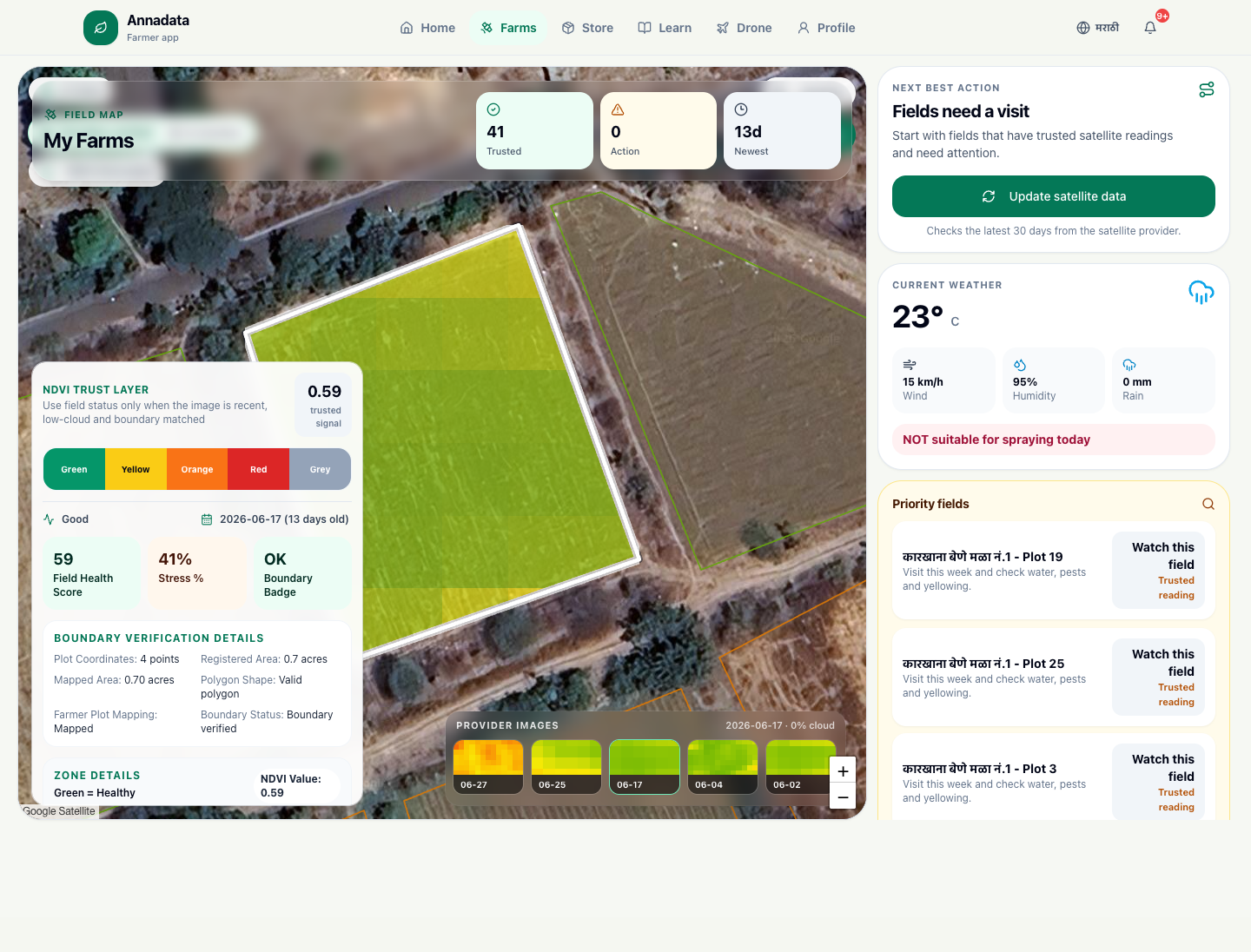
A serious buyer should be able to see how work moves without seeing private records. The proof room uses real system evidence where possible, then explains the logic behind the flow.
Names, financial values, patient details, farmer records, production data, and client advantage stay private. What remains visible is the structure: who acts, what changes, what gets approved, and where leadership reads the result.
Proof is not decoration. It is a controlled way to reduce doubt.
We check whether the enquiry is relevant enough to justify deeper disclosure.
Sensitive systems are reviewed only under appropriate discretion and clear context.
We show the closest proof path: AI assistant, ERP flow, pharma engineering management, care system, agriculture intelligence, CRM, or dashboard.
Screens, workflow maps, records, dashboards, and implementation decisions are reviewed with sensitive data removed.
Only after proof and diagnosis do we discuss what should be built next.
Inputs, prompts, approvals, human handoff, error handling, and adoption path matter more than saying AI is present.
A serious buyer should see how master data, roles, documents, status changes, reports, and finance connect.
CQC evidence, audit trails, MAR records, incidents, care plans, and AI boundaries need to be defensible.
Satellite, NDVI, weather, field records, farmer action, product requests, and service movement must form one chain.
Capture, qualification, routing, WhatsApp, CRM, reporting, and owner accountability show whether demand is controlled.
Positioning, proof hierarchy, executive copy, visual authority, mobile fit, and enquiry path show whether buyers feel safe.
If a result cannot be supported by the workflow, system record, implementation decision, or client permission, it does not belong on the public site.
A polished dashboard image means little unless the buyer can understand where the data comes from and who acts on it.
NDA clients, internal workflows, client records, pricing, production data, clinical information, and operational advantage are not public content.
The highest trust case study explains what changed in visibility, control, response, decision quality, or founder dependency.
If there is fit, we can walk through the relevant masked evidence and explain how the system was built, where AI or automation sits, and what business problem it solved.